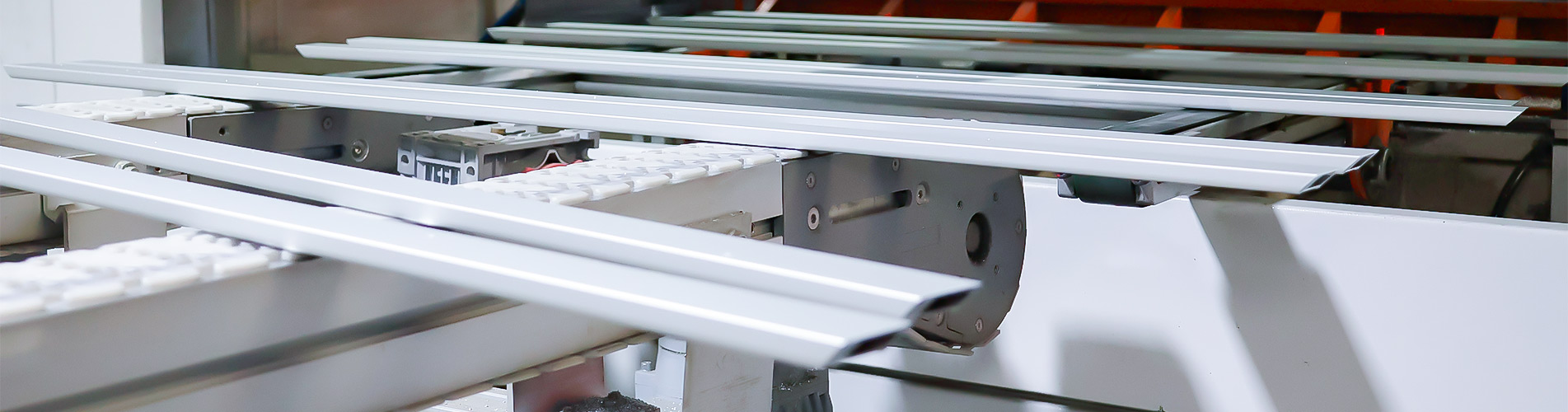
Gerçek Dünya Ortamları İçin Her Ayrıntıya Güvenilirlik Mühendisliği Yaklaşımı
Aşınmaya Dayanıklı Yüzey Seçimi
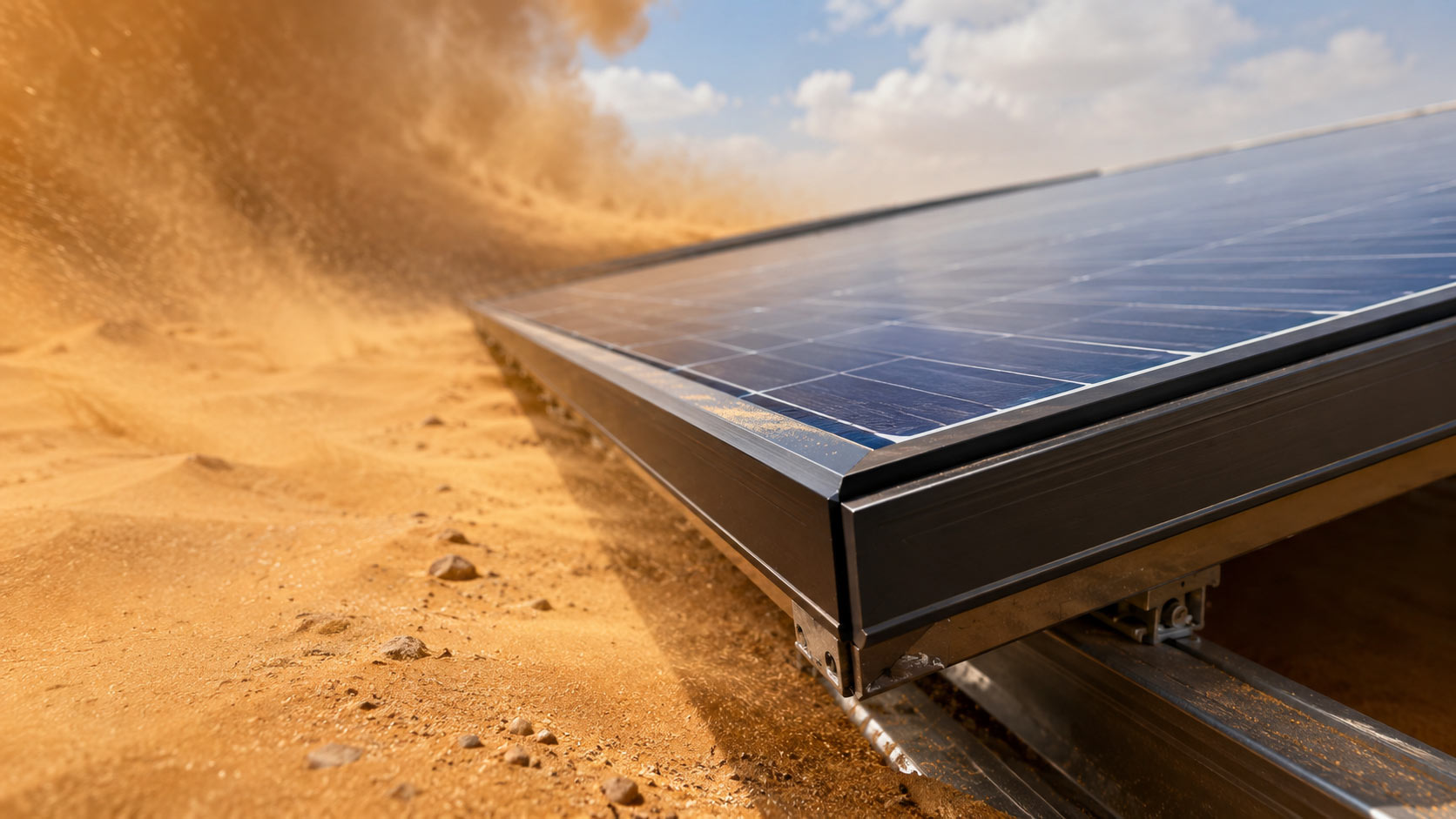
Öncelik, düzgün ve yoğun bir anot kaplamasına verilmelidir. Rüzgar ve kum şiddetine ve bakım yöntemine bağlı olarak AA15 ile AA20 arasında değerlendirme yapılmalıdır.
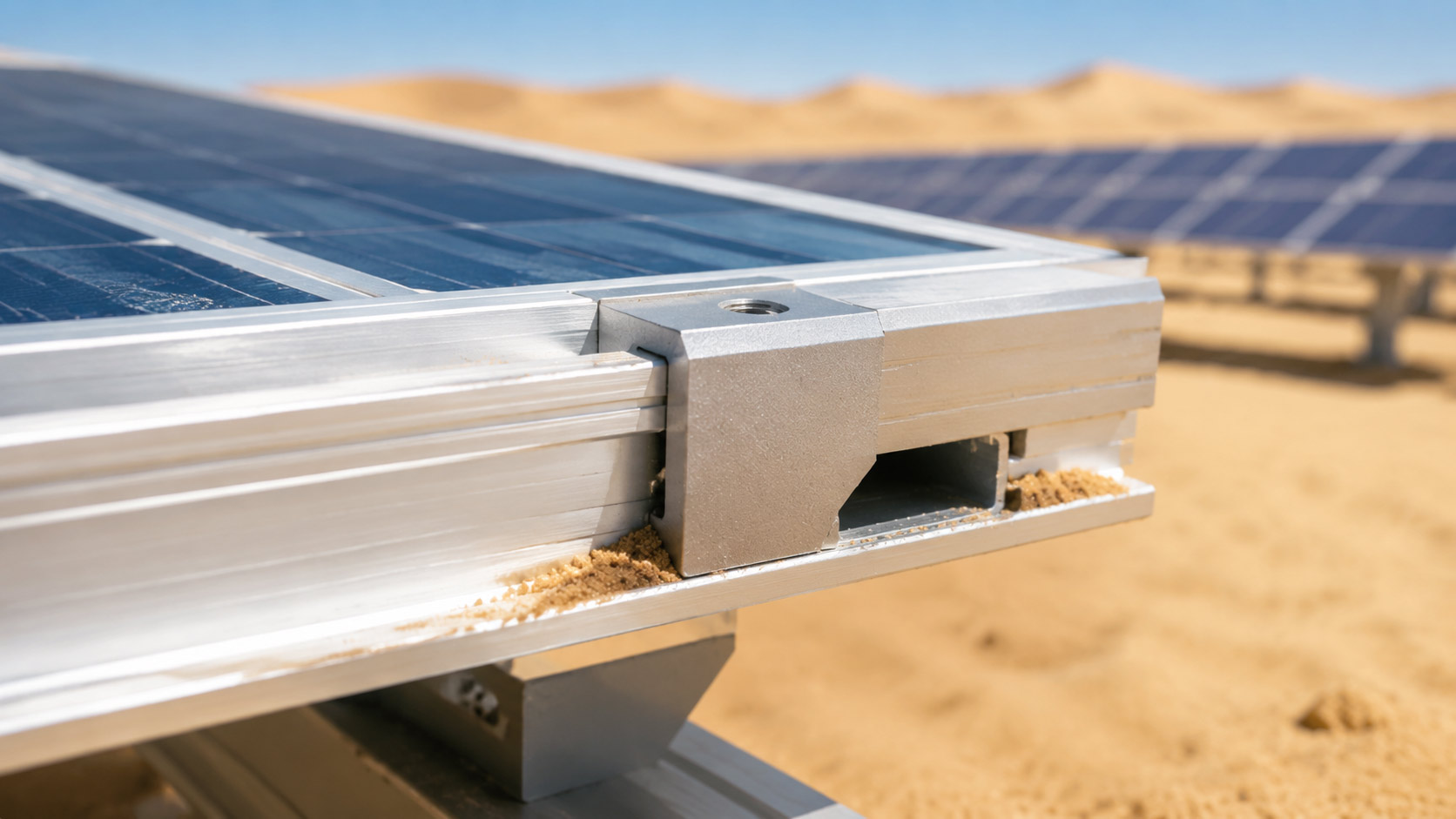
Düşük Kum Birikimi Bölümü
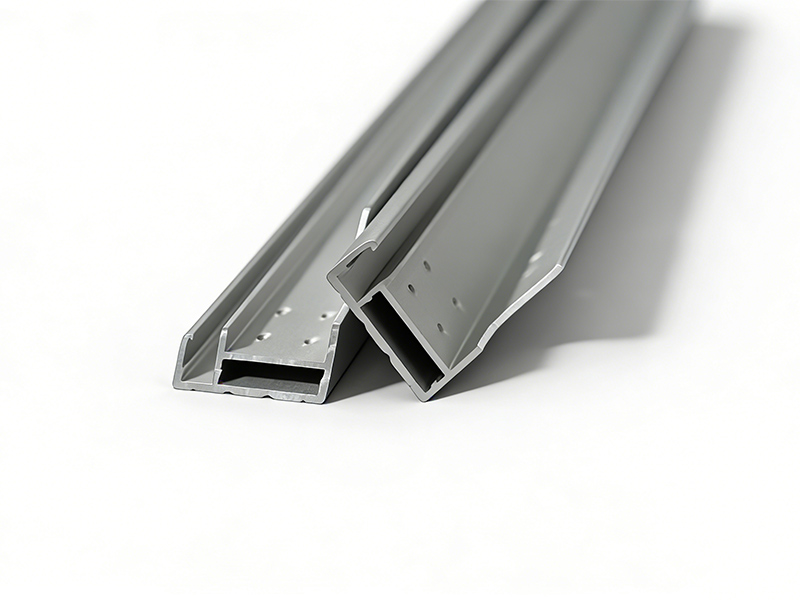
Gereksiz yatay kum toplama yüzeylerini ve kapalı ölü bölgeleri en aza indirin; kum çıkışlarını, drenaj deliklerini ve kurulum yönünü koordine edin.
Termal Döngü Uyumluluğu
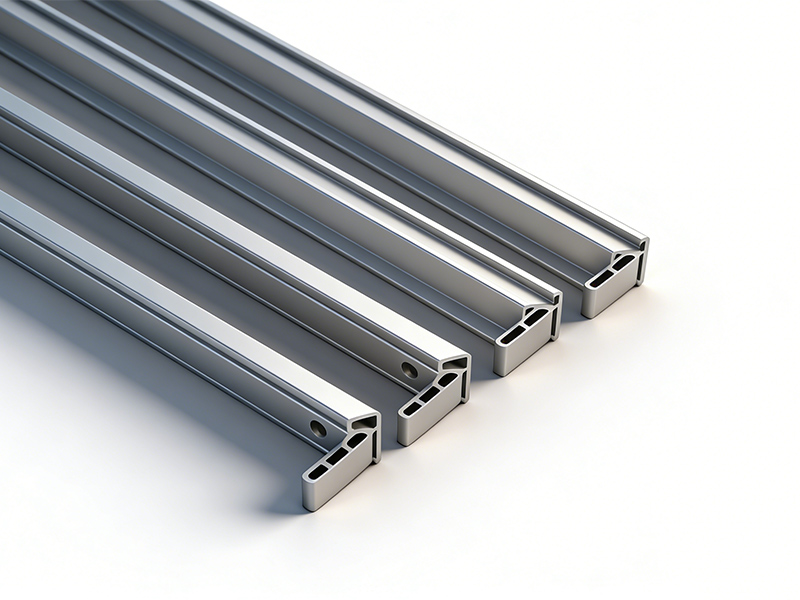
Termal döngü sırasında iç gerilimi ve bağlantı gevşeme risklerini azaltmak için uzunluğu, açıları, delik konumlarını ve montaj boşluklarını kontrol edin.
| Kategori | Teknik Parametreler | Standart |
|---|---|---|
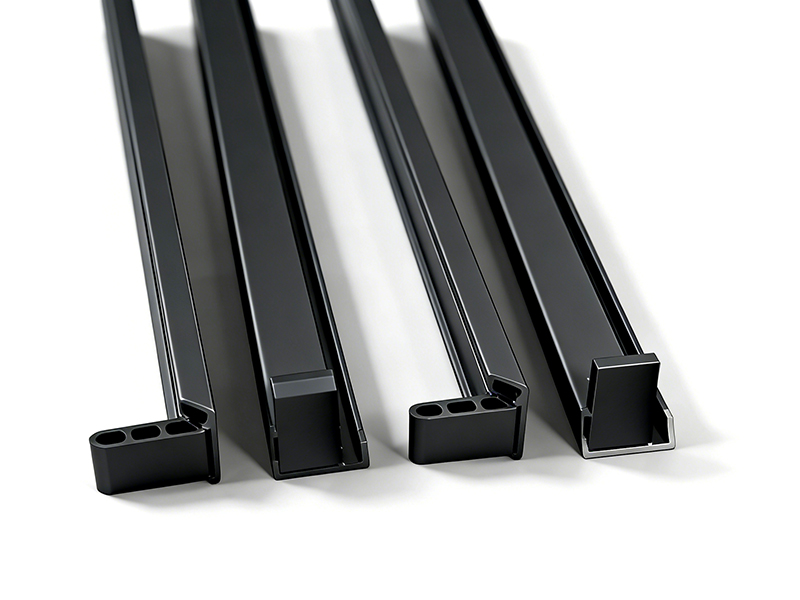
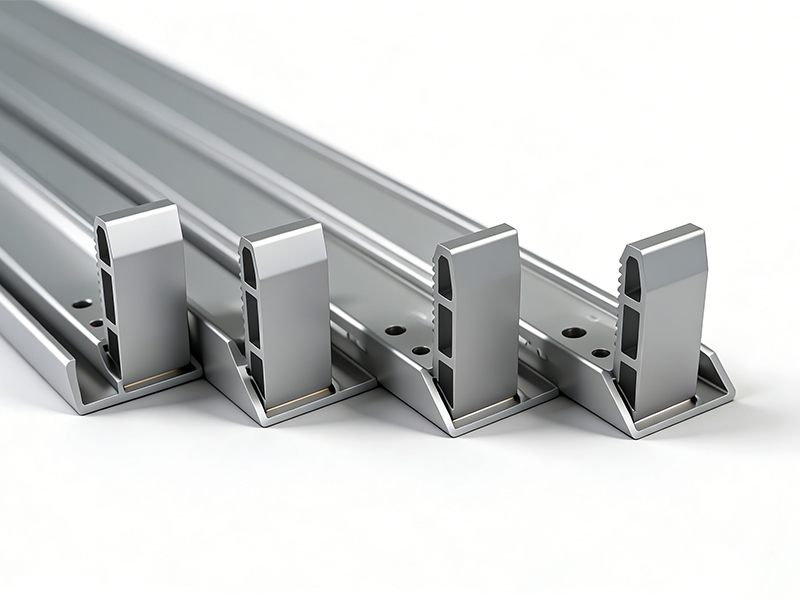
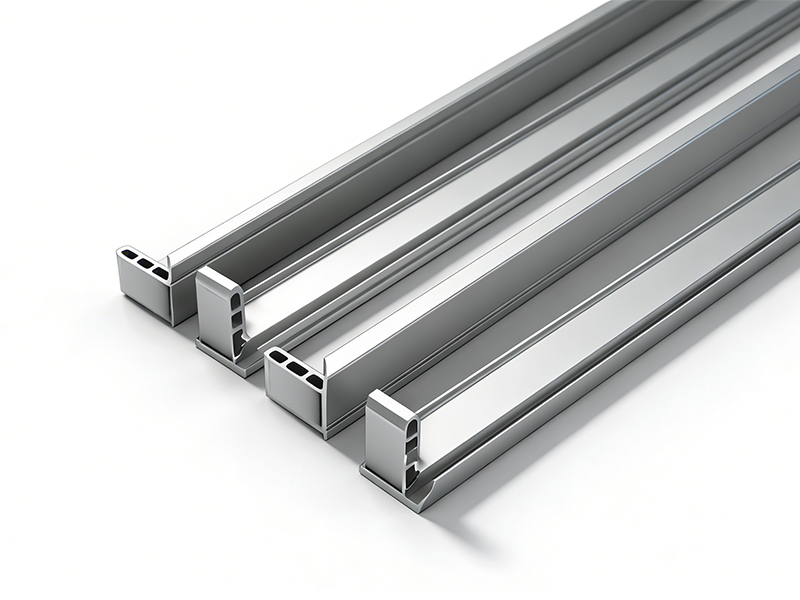
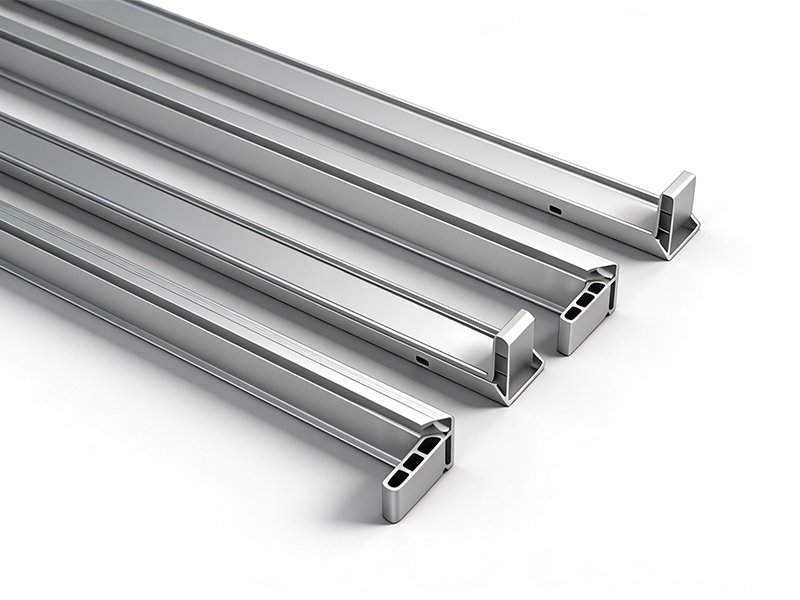
| Ürün Adı | Çöl PV Alüminyum Çerçevesi | Güneş Paneli Kenar Profili |
| Malzeme Kalitesi | 6005 / 6063 Alüminyum Alaşımı | Yüksek Mukavemetli Sınıf |
| Öfke | T6 | Isıl İşlem Görmüş |
| Teknik Standart | GB/T 5237 | Dövme alüminyum alaşımlı profiller |
| Çekme Mukavemeti | ≥ 255 MPa | Yapısal Kararlılık |
| Akma Mukavemeti | ≥ 215 MPa | Yük taşıma kapasitesi |
| Uzama | ≥ %6 | Süneklik ve Tokluk |
| Uyumlu Modül | 182 mm * 182 mm Güneş Pilleri | Büyük Formatlı Modüller |
| Çerçeve Boyutları | 2278 mm * 1134 mm 2382 mm * 1134 mm Özelleştirilmiş Boyut | Hassas Kesim (±0,5 mm) |
| Yüzey İşlemi | Eloksallı (Gümüş / Siyah) | Korozyon Önleyici |
| Eloksal Kaplama Kalınlığı | AA10 / AA12 / AA15 / AA20 | Özelleştirilebilir |
| SiyahEloksal Kaplama Kalınlığı | AA20 / AA25 | Üstün UV Direnci |
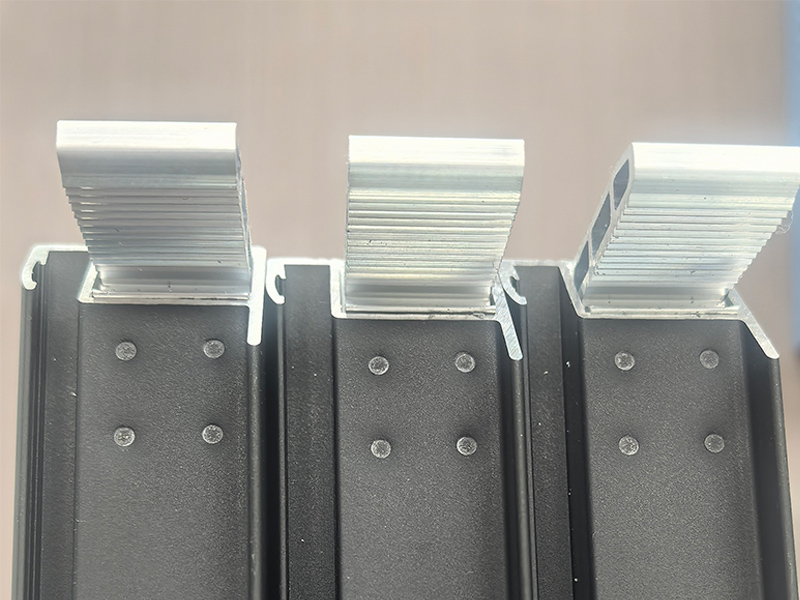
Yüksek sıcaklık ortamlarında değerlendirme için doğal anotlama öncelikli olabilir; siyah yüzeylerin modül sıcaklık artışı ve görünüm gereksinimlerine uygunluğu doğrulanmalıdır.
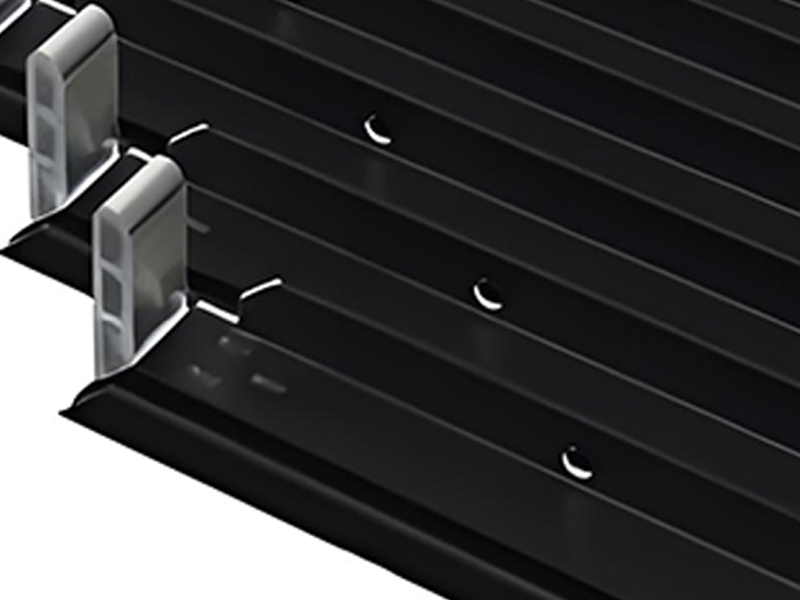
Kumun sıkışmasını ve sızdırmazlık malzemelerine zarar vermesini önlemek için yuvaları ve kum çıkışlarını çapaklardan arındırın.
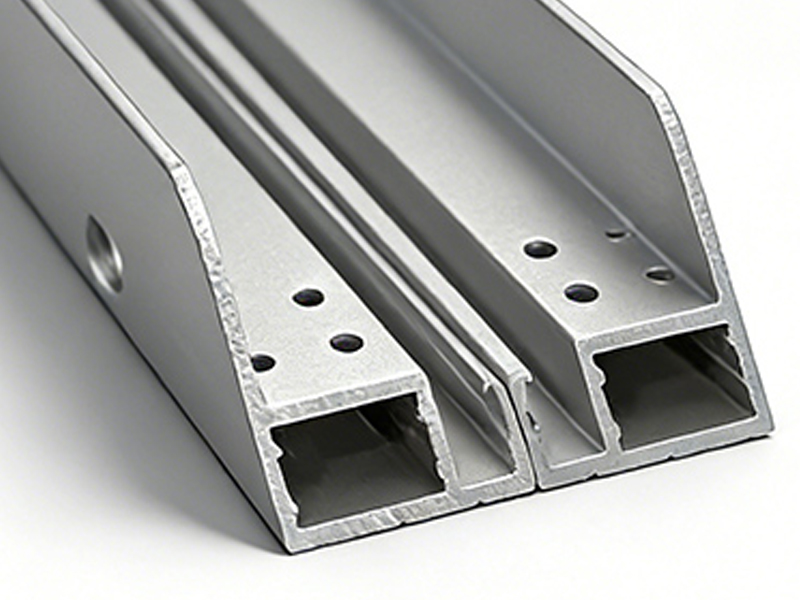
Isıl işlem döngüsü sırasında meydana gelen boyut değişikliklerini karşılamak için köşe bağlantı noktalarında uygun montaj boşluğu bırakın.
Küresel 125 GW Yıllık Kapasite
Müşteri çizimlerine göre çeşitli uzunluk ve kesit tasarımlarına destek.
Deniz taşımacılığı sırasında deformasyonu önlemek için ihracat standartlarında koruyucu ambalaj.
A: Hayır. Kesit, destek açıklığına, montaj yöntemine ve rüzgar yüküne göre optimize edilmelidir. Analiz yapılmadan kalınlığın artırılması maliyeti ve ağırlığı artırır.
A: Evet, ancak koyu renkli yüzeyler daha fazla ısı emebilir. Uygunlukları, modülün sıcaklık sınıfı, havalandırma koşulları ve görünüm gereksinimlerine göre doğrulanmalıdır.
A: Hayır. Çevresel testler zayıf noktaları belirlemeye yardımcı olur; belirli bir proje için niceliksel bir kullanım ömrü garantisi teşkil etmez.
Mesaj bırakın
EV
ÜRÜNLER
temas etmek